Knowledge that drives action. Tools that support change.

Publications and Resources

This page brings together preferred practice manuals and development resources for eye health professionals working in clinical, managerial, and programme settings.
Click on the links below to download the manuals and reports. Some resources are also available in French, Portuguese, and Spanish.


Global Scientific Meeting on Trachomatous Trichiasis

This report summarizes expert discussions on trachomatous trichiasis management, focusing on surgical techniques, quality improvement, service delivery challenges, and research priorities to improve outcomes and increase surgical coverage for eliminating blinding trachoma globally.

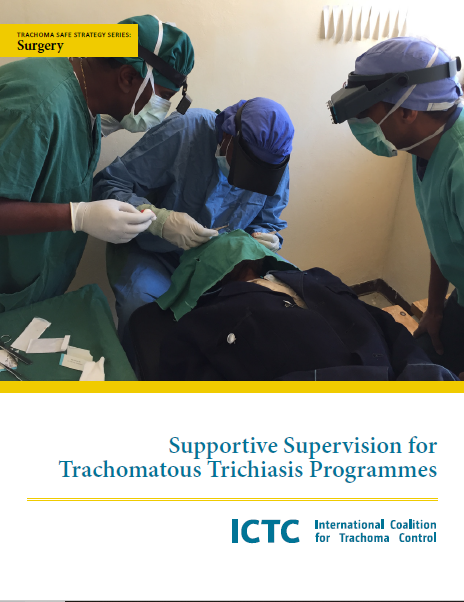
Supportive Supervision for Trachomatous Trichiasis Programmes

This training manual outlines a structured approach to supportive supervision for trachoma programmes, focusing on improving surgical quality, team performance, outreach efficiency, communication, leadership, and data use through mentoring-based supervision and practical skills development.

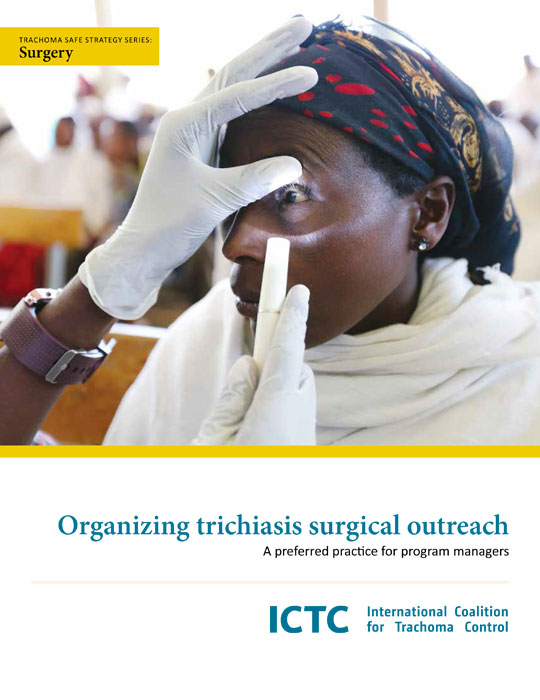
Organizing trichiasis surgical outreach

This guide outlines best practices for planning and implementing trichiasis surgical outreach, emphasizing site selection, community mobilization, resource preparation, staffing, patient referral systems, and coordination with local authorities to ensure accessible, safe, and effective surgical services in underserved areas.

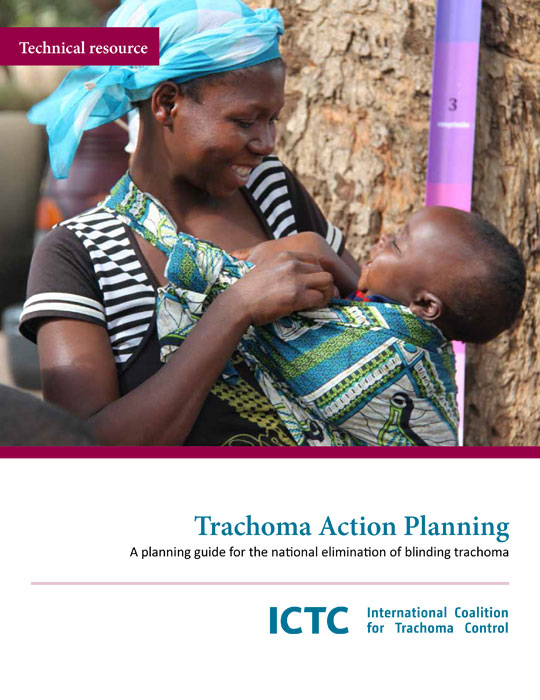
Trachoma Action Planning

This guide outlines a structured, data-driven planning process for eliminating blinding trachoma using the SAFE strategy, emphasizing national workshops, trichiasis and active disease planning, evidence-based targets, stakeholder participation, and development of adaptable action plans to achieve WHO elimination thresholds.

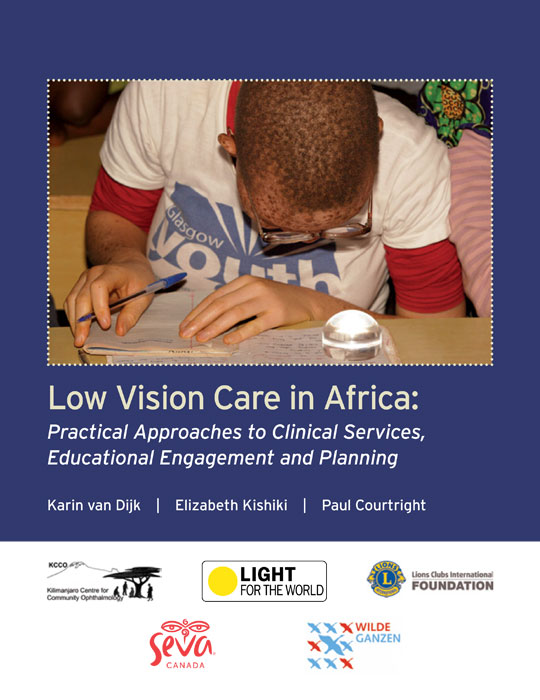
Low Vision Care in Africa

This document provides a practical framework for delivering low vision services in Africa. It focuses on early identification, integrated clinical and educational support, and coordinated multi-sector planning to help children and adults with irreversible vision loss use their remaining sight effectively and improve quality of life.

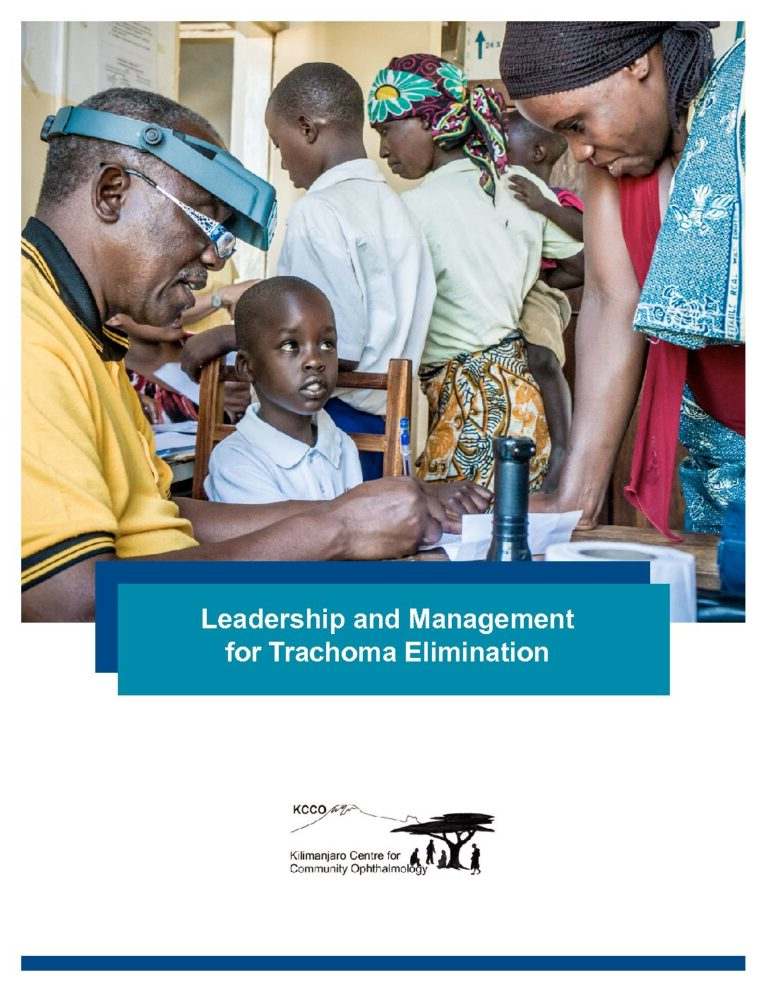
Leadership and Management for Trachoma Elimination

This workshop manual develops leadership and management skills for trachoma elimination programmes, focusing on leadership styles, delegation, change management, health systems understanding, and strengthening partnerships to improve programme coordination and implementation effectiveness.

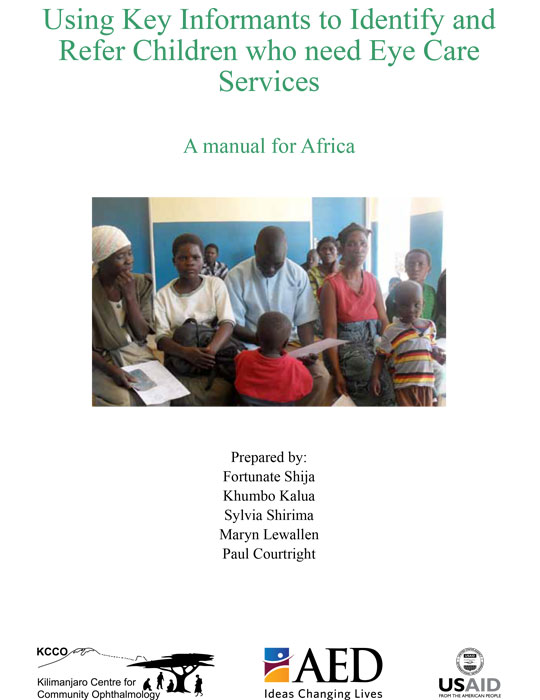
Using Key Informants to Identify and Refer Children who need Eye Care Services

This manual outlines strategies for using community key informants to identify and refer children with severe vision loss or blindness in Africa, emphasizing planning, estimation of need, training, and referral systems to improve access to timely pediatric eye care services.

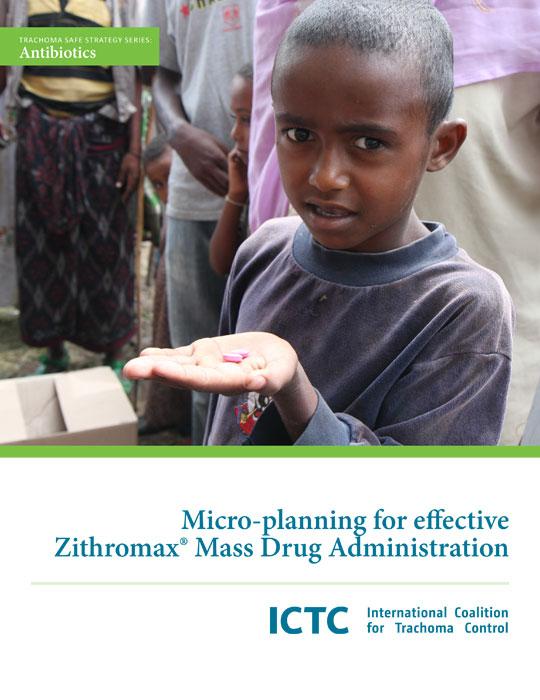
Micro-planning for effective Zithromax Mass Drug Administration

This manual describes micro-planning for trachoma MDA, emphasizing detailed logistical preparation to ensure accurate drug delivery, efficient resource allocation, community registers, stakeholder coordination, and health system strengthening to achieve high-coverage Zithromax distribution in endemic areas.

Preferred Practices for Zithromax Mass Drug Administration

This report summarizes discussions and research priorities from the 2012 GlobaThis document outlines preferred practices for mass drug administration of Zithromax in trachoma control programmes, emphasizing planning, coordination, training, supply chains, communication, and achieving high coverage toward elimination goals globallyl Scientific Meeting on Trachomatous Trichiasis in Moshi, Tanzania, with a focus on surgical management, quality, and service delivery in trachoma control programs.

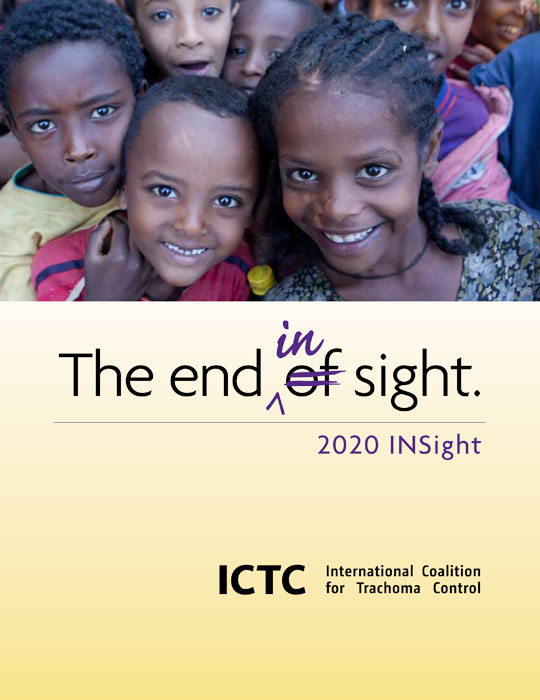
The End in Sight

This report summarizes the global strategy for eliminating blinding trachoma by 2020, outlining current progress, remaining challenges, and the need to scale up the WHO-endorsed SAFE strategy through coordinated action, funding, and partnerships.

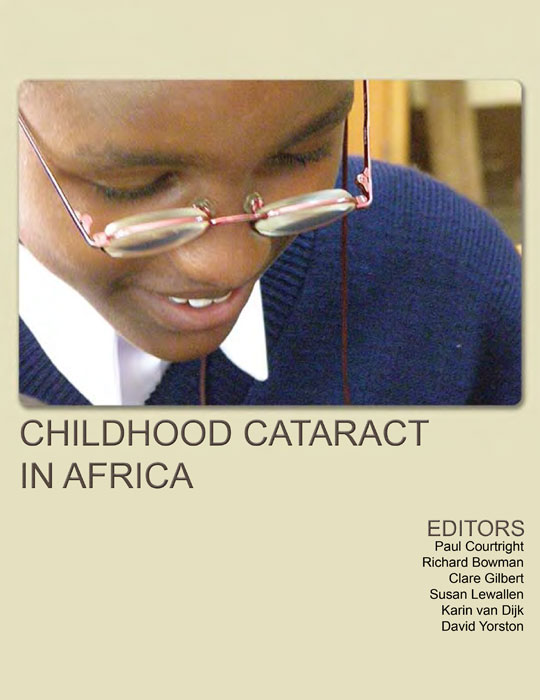
Childhood Cataract in Africa

This manual summarises expert discussions and evidence on childhood cataract in Africa, focusing on early detection, timely surgical management, and comprehensive follow-up care to improve visual outcomes and quality of life for affected children.

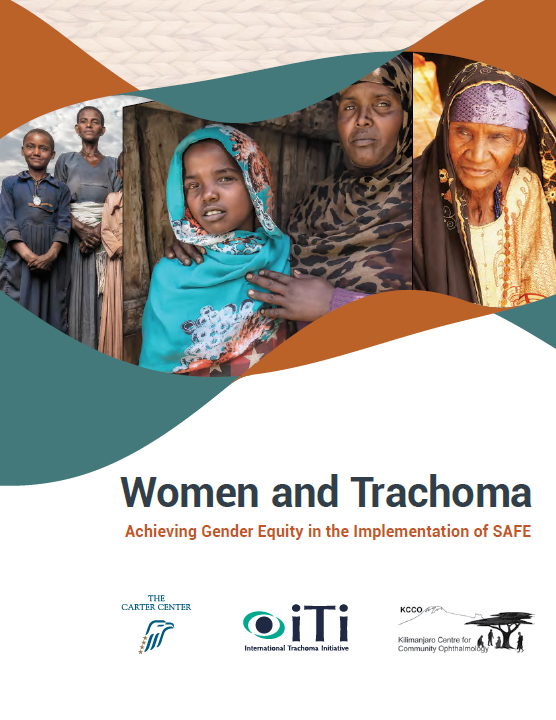
Women and Trachoma

A practical guide exploring the intersection of gender and trachoma, offering strategies to promote gender equity in trachoma elimination programs through workforce inclusion, service delivery, community engagement, and behavior change.

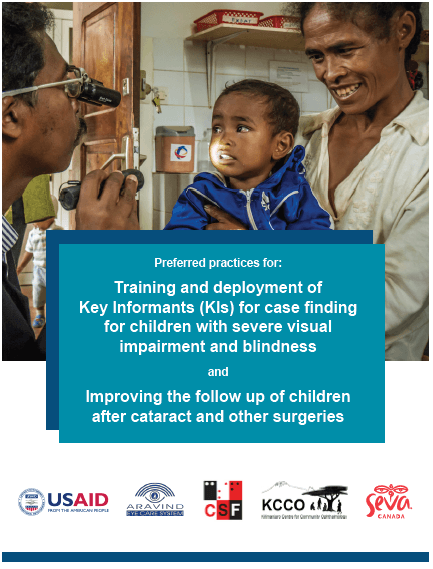
Training and deployment of Key Informants (KIs)

This guide explains how to use trained community Key Informants to identify children with severe visual impairment and support follow-up after eye surgery. It focuses on practical, low-cost community case finding, strong coordination, short targeted training, and continuous supervision to improve early detection and post-surgical care outcomes.

Selected Publications by KCCO Thematic Area

KCCO staff have authored or co-authored more than 300 peer-reviewed scientific publications since 2001. The list below highlights selected publications reflecting KCCO’s contributions to eye health research, health systems strengthening, and community ophthalmology. A comprehensive publication list is available upon request.

Cataract Services, Surgical Uptake & Outcomes

Child Eye Health & Pediatric Cataract

Bronsard A, Geneau R, Duke R, Kandeke L, Ulaikere M, Ssali G, Courtright P. Cataract in children in sub-Saharan Africa: an overview. Expert Review of Ophthalmology. (available upon request)

Trachoma & Neglected Tropical Diseases

Health Systems Strengthening & Human Resources for Eye Health