A widow’s journey from years of blindness to restored independence through accessible community eye care
Captonida
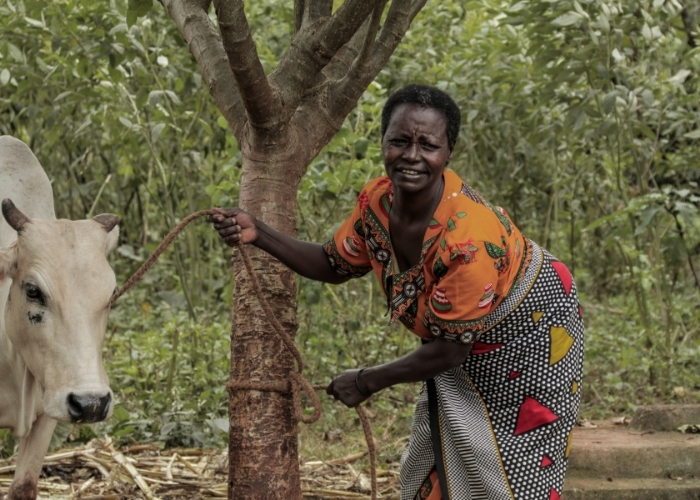
Following successful treatment, Captonida regained her sight and independence, returning to her daily activities and caring for her home and livestock. Her recovery has also relieved the burden on her family. Her story demonstrates how strengthening local health systems and bringing services closer to communities can restore dignity, livelihoods, and quality of life.

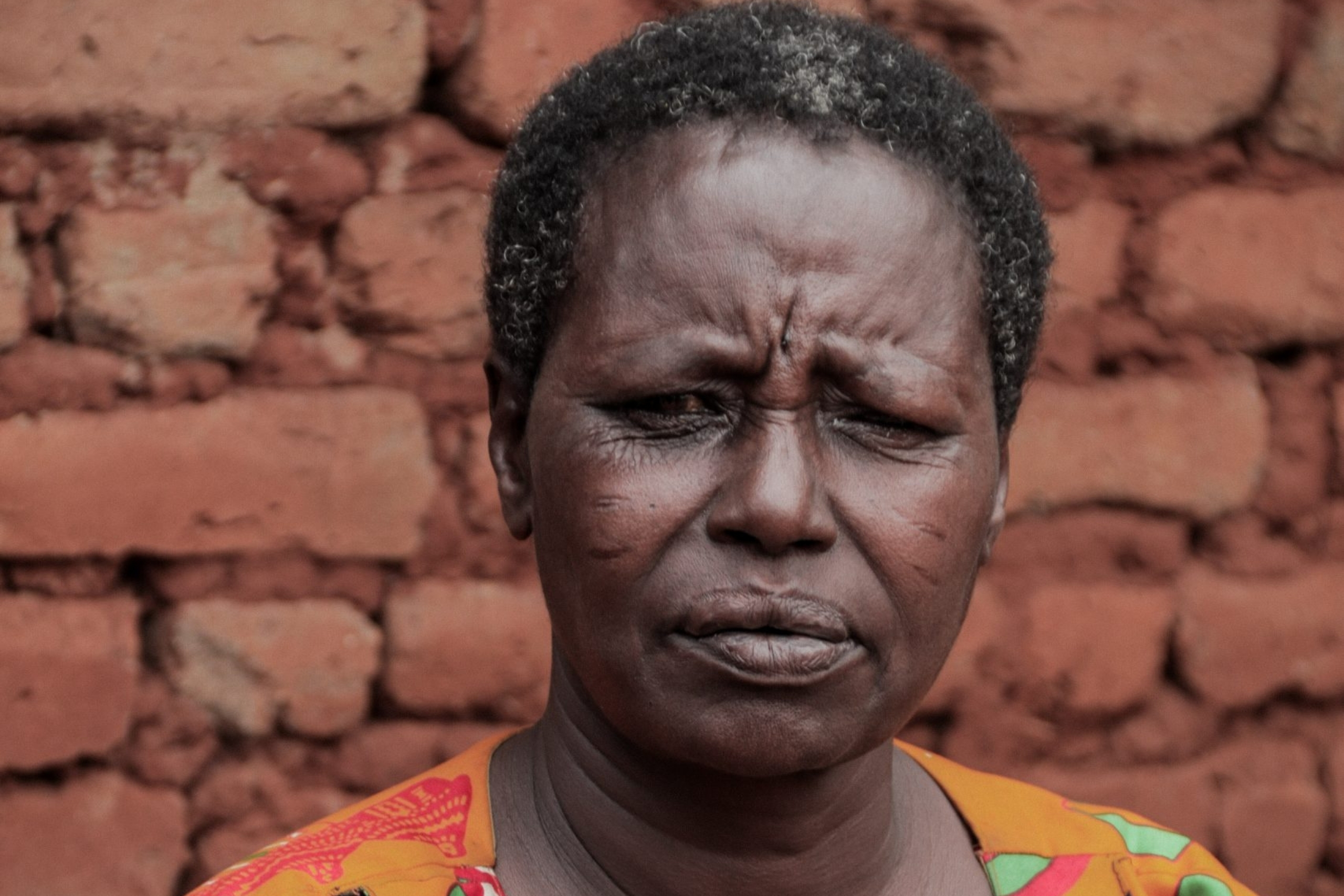
Captonida lived with blindness for about four years, a situation which rendered her unable to take care of herself, as she could not move without anyone’s help, because she feared causing accidents.
Like many other people in Manyara region, Captonida had little hope that she would ever be able to see again. For years, everyone knew that Manyara Regional Hospital had no functional eye care services, and the community had come to accept this as reality. This public hospital is the main point of care for most low-income families in the area, with the only alternatives being a private mission hospital more than 100 kilometres away or the next public hospital over 300 kilometres away—both well beyond reach for someone of modest means.
Today, that situation has changed. With support from KCCO and the Fred Hollows Foundation, Manyara Regional Hospital is now equipped and resourced to provide quality eye care. KCCO supplied essential equipment and consumables, while also supporting the training of eye health personnel. Outreach activities just 10 kilometres from Captonida’s village brought life-changing services within her reach.
With the help of her daughter, she was brought to the outreach, and she was found to have cataract on the right eye with light perception VA, while the left eye was totally blind with traumatic cataract.
She was counselled and advised for surgery for the next day, to which she agreed. She was transported to Manyara Regional Hospital, and the surgery was conducted the next day. After her surgery, the VA day one outcome was recorded to be 6/18. This to her was a miracle because she could see everything clearly and she was able to walk alone.
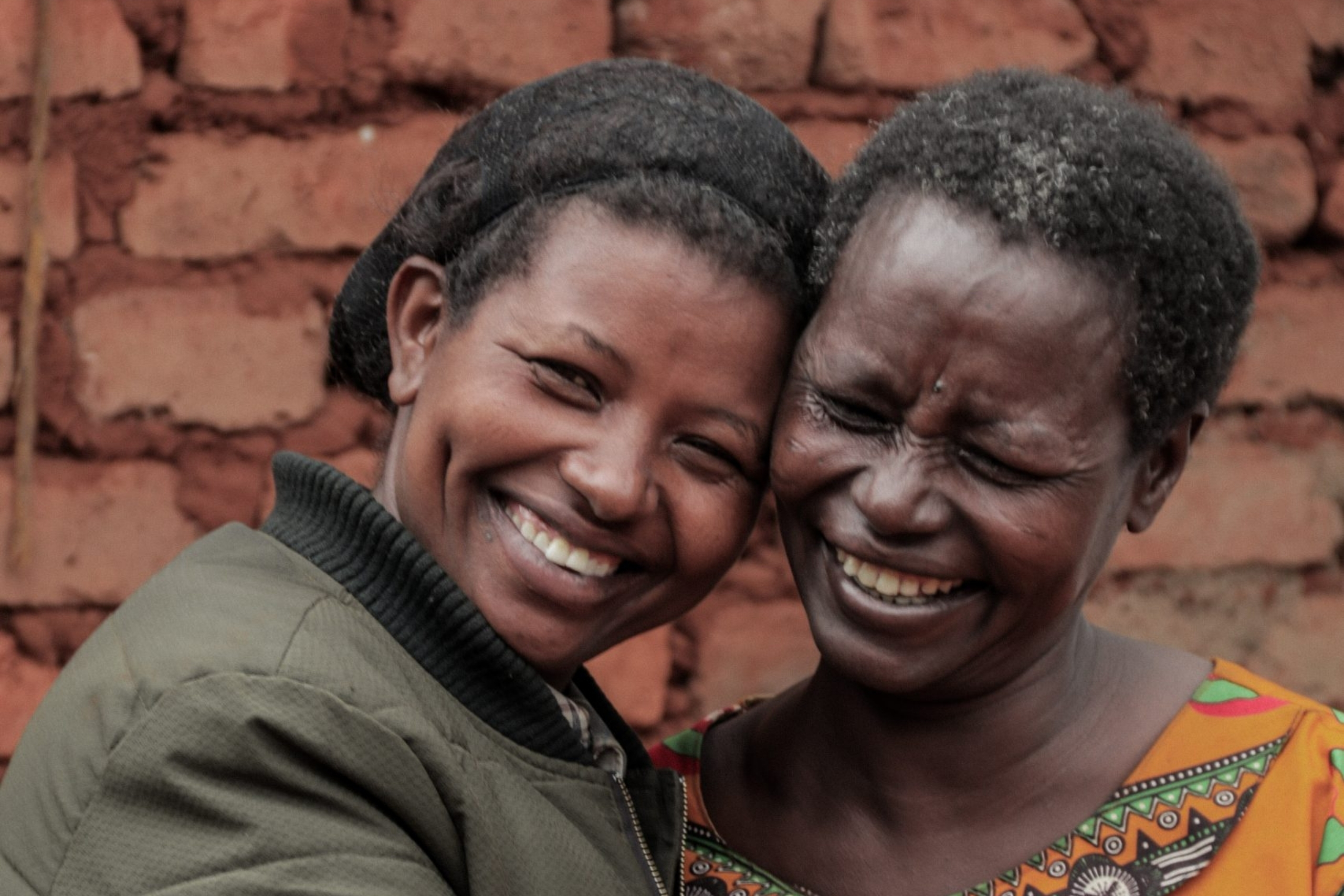
Four days after the surgery, the KCCO team visited her at home to see how her life had changed because of the surgery. The team found her doing her day-to-day activities such as happily shelling corn and taking care of her cattle. Her daughter, who acted as Captonida’s caretaker, is now free to work and take care of her own family because her mother can take care of herself.